Treatment-Resistant Depression: Why Standard Antidepressants Stop Working
Living with depression that keeps coming back, or never fully lifts, can feel like being told to try the same key on the same lock again and again, even when it clearly is not opening the door. Many people start an antidepressant with real hope, put up with early side effects, wait the required weeks, and still find themselves stuck with low mood, numbness, poor sleep, or a heavy sense of dread.
When that happens, it does not mean you failed treatment. It usually means the treatment plan needs a closer look, sometimes a different biological target, and often more than one tool used together.
When depression does not lift with standard medications
Clinicians often use the term treatment-resistant depression (TRD) when a person has not responded adequately to at least two antidepressants taken at appropriate doses for an appropriate length of time. “Appropriate” matters here, because an antidepressant that was stopped early due to side effects, taken inconsistently, or never reached a therapeutic dose may not have been a true trial.
TRD is also more common than most people realize. Standard antidepressants help many, yet full remission can be hard to reach, and some people experience only partial improvement or none at all.
One of the most important reframes is this: TRD is not a single diagnosis with a single cause. It is a description of what has happened so far, and it invites a more personalized plan.
The “it stopped working” experience is real, and it has several explanations
People often describe two frustrating patterns:
“Nothing worked from the start.”
“It helped, then it faded.”
Both can happen, and the reasons are not always obvious. Depression can shift over time, stress loads can change, medical conditions can develop, and the brain can adapt to long-term medication exposure in ways that reduce benefit or increase side effects.
A clinician’s job is to sort out whether this is true resistance, partial response that needs augmentation, a mismatched diagnosis, or a treatable barrier that has been hiding in plain sight.
Step one: rule out “pseudo-resistance” before changing everything
Before labeling a case as TRD, many clinicians take a structured look at the basics. This can feel tedious when you are tired and just want relief, but it often prevents unnecessary medication changes and shortens the time to feeling better.
A careful re-check usually includes:
Was each medication trial long enough and at a therapeutic dose?
Were doses missed often because of side effects, cost, or a complicated schedule?
Are there other medications or supplements interfering (or increasing side effects)?
Is the diagnosis complete (unipolar depression vs bipolar depression, PTSD, ADHD, grief, substance-related mood symptoms)?
Are sleep problems, chronic pain, thyroid issues, anemia, perimenopause, or other medical factors adding fuel?
This is also where measurement-based care helps. Symptom scales, sleep tracking, and timelines of medication changes can show patterns that memory alone cannot.
Why SSRIs and SNRIs may not be enough for some brains
Most first-line antidepressants work mainly through monoamines: serotonin, norepinephrine, and dopamine. That approach helps many people, yet depression is not only a “low serotonin” problem. Mood involves stress hormones, inflammation, reward circuits, glutamate signaling, and the brain’s ability to form and update connections.
Brain adaptations can blunt benefit over time
With ongoing SSRI or SNRI exposure, receptors and feedback loops can shift. One example discussed in the research literature is increased activity at certain serotonin receptors (including 5-HT2C) that can indirectly reduce dopamine and norepinephrine activity in key circuits. When that happens, a person may notice worsening motivation, emotional flattening, or anhedonia, even while anxiety is somewhat calmer.
Another adaptation involves serotonin autoreceptors that act like brakes. If those brakes do not “reset” as expected, the medication’s downstream effect can remain limited.
Neuroplasticity may be impaired
Many antidepressants depend on time-dependent brain changes, including signaling related to brain-derived neurotrophic factor (BDNF). If someone has lower baseline neuroplasticity due to long-term stress, recurrent depressive episodes, trauma exposure, or genetic factors, the usual timeline of “wait 4 to 8 weeks” may lead to minimal change.
This is one reason some people cycle through medication after medication and feel like nothing truly “takes.”
Inflammation and stress biology can keep depression entrenched
Chronic stress can keep the hypothalamic-pituitary-adrenal (HPA) axis activated and cortisol elevated. Over time, that can affect sleep, energy, memory, and emotional regulation. Inflammatory cytokines seen in chronic stress and many medical illnesses can also alter neurotransmitter transporters and receptor expression, potentially reducing antidepressant response.
This is not about blaming stress. It is about acknowledging that the brain is an organ that responds to strain in measurable ways.
Genetics can change drug levels and tolerability
Two people can take the same dose of the same antidepressant and have very different blood levels due to CYP450 enzyme differences (often involving CYP2C19 or CYP2D6). Some people metabolize a drug so quickly that the dose never reaches an effective level. Others build up higher levels and get side effects long before benefit.
Pharmacogenomic testing cannot guarantee the “perfect” medication, yet it can reduce trial-and-error by flagging likely metabolism issues and certain gene-drug interactions.
What commonly travels with TRD: anxiety, substance use, and medical conditions
Depression rarely shows up alone. When TRD is present, it is especially important to look for co-occurring conditions that change treatment response.
After a thorough assessment, clinicians often find one or more of the following are active:
Panic, generalized anxiety, social anxiety
PTSD symptoms, including hypervigilance and nightmares
Alcohol, cannabis, sedative, or opioid use that affects sleep and mood regulation
ADHD symptoms that complicate motivation and follow-through
Hypothyroidism, sleep apnea, chronic pain, metabolic concerns, hormone shifts
Sometimes treating the “companion” problem is what finally loosens depression’s grip.
A practical map of why standard antidepressants may fail
The table below summarizes common drivers of poor antidepressant response and what a care team may check next.
What might be happening
What it can look like day to day
What clinicians often do next
Inadequate trial (dose/duration)
“It did nothing,” but it was stopped early or never titrated
Confirm timeline, optimize dose, address side effects so the trial is truly adequate
Missed doses or inconsistent use
Brief improvements, then crashes; withdrawal-like symptoms
Simplify regimen, discuss barriers, consider longer-acting options when appropriate
Wrong or incomplete diagnosis
Antidepressants cause agitation, insomnia, or cycling mood
Screen for bipolar disorder, PTSD, ADHD, grief, substance-related mood symptoms
Drug interactions or medical contributors
Side effects at low doses, or no benefit despite high dose
Review all meds and supplements; consider labs or medical referrals as indicated
Rapid or slow metabolism (genetics)
Either “nothing works” or “I cannot tolerate anything”
Consider pharmacogenomic testing to guide drug choice and dosing
High inflammation or chronic stress biology
Fatigue, brain fog, body aches, sleep disruption
Address sleep, pain, metabolic factors; coordinate with primary care when needed
Neuroplasticity barriers
Long-standing depression, minimal response to multiple trials
Consider treatments that target different pathways (including interventional options)
Active anxiety or substance use
Racing thoughts, panic, rebound depression after using substances
Treat anxiety directly; offer substance use treatment and supportive therapy
Signs it may be time to ask about TRD-focused care
If you are unsure whether your experience fits TRD, it can help to name the pattern you are seeing and bring it to an appointment.
Some common signals include:
Two or more antidepressants tried without meaningful relief
Partial response that never reaches “normal me”
Side effects that force repeated early stops
Persistent anhedonia, low motivation, or emotional numbness
Ongoing suicidal thoughts, even when you are “functioning”
What comes after SSRIs and SNRIs: options that are still evidence-based
When standard antidepressants are not enough, the next step is rarely “just keep swapping.” Many people do better with a layered plan that targets different mechanisms and removes barriers.
Common strategies include medication adjustments, augmentation, therapy, and interventional treatments.
Here are examples clinicians may discuss, depending on symptoms, history, and safety:
Augmentation: adding a medication that boosts response (examples can include certain atypical antipsychotics, lithium, lamotrigine, or thyroid hormone in selected cases)
Switching classes: moving beyond SSRIs/SNRIs to other antidepressant mechanisms when appropriate
Psychotherapy pairing: structured therapy alongside medication, often cognitive and behavioral approaches or trauma-focused work when needed
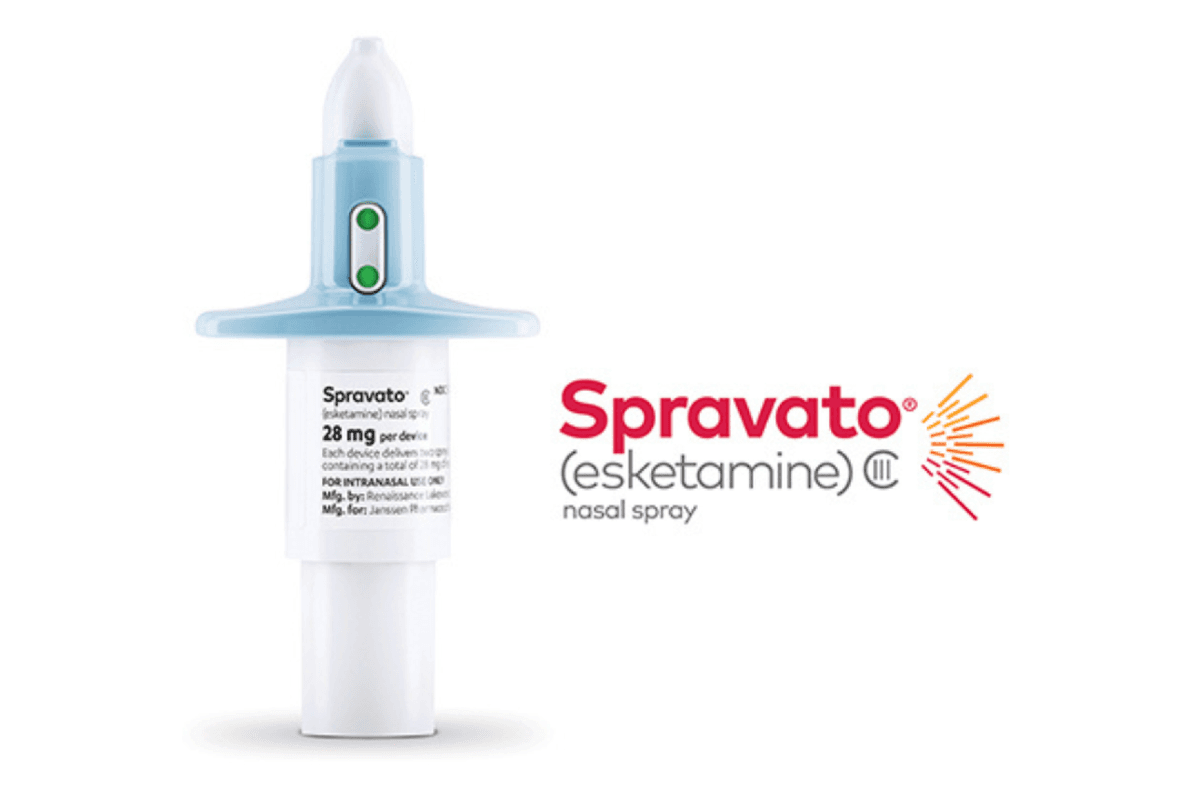
Interventional treatment: FDA-approved esketamine (Spravato) for adults with TRD, delivered under medical supervision
At clinics like Next Step Psychiatry, TRD care often includes a combination of medication management, psychotherapy coordination, and integrated wellness supports, with both in-person and telepsychiatry options across Georgia.
Spravato for TRD: why it is different
Esketamine (Spravato) is FDA-approved for adults with treatment-resistant depression after inadequate response to at least two antidepressants. Its mechanism is different from standard antidepressants, acting on glutamatergic pathways through NMDA receptor antagonism, with downstream effects that may support synaptic repair and plasticity.
It is given as a nasal spray in a certified medical setting, with monitoring afterward. Many patients ask about timing because they have been conditioned to expect slow changes. With esketamine, some people report improvement within hours to days, though treatment plans still involve repeated sessions and ongoing follow-up.
Because it can cause sedation, dissociation, and blood pressure changes, it is not a “take home and see” medication. It is a supervised treatment with safety protocols.
Precision prescribing and integrated care can shorten the trial-and-error cycle
When you have already tried multiple medications, it is reasonable to want a plan that feels more targeted.
A TRD-focused approach often includes:
Pharmacogenomic testing: results can inform dosing and medication selection, especially when side effects or non-response suggest metabolism issues
Objective tracking: symptom scales and timelines to see what is changing, even when days blur together
Whole-person factors: sleep, nutrition, weight changes, hormones, pain, and substance use patterns that can keep depression active
Some clinics, including Next Step Psychiatry, also offer integrated wellness services (like medical weight loss and hormone-related care) that can be coordinated with psychiatric treatment when those factors appear connected to mood symptoms.
Questions to bring to your next appointment
You do not need to walk in with the “right” language. A few clear questions can help you and your clinician build a shared plan.
Could anything be mimicking depression? sleep apnea, thyroid issues, bipolar spectrum symptoms, trauma responses
What is our next target? switching mechanism, augmentation, psychotherapy, or an interventional option
How will we measure progress? specific symptoms, timelines, and what “enough improvement” means
What should I do if suicidal thoughts increase? crisis plan, after-hours options, safety steps at home
If you are struggling with suicidal thoughts or feel unsafe, seek immediate help by calling or texting 988 in the United States, going to the nearest emergency department, or calling 911.
What it can feel like when the plan finally fits
Relief in TRD is often less like a sudden burst of happiness and more like the return of basic capacities: getting out of bed with less dread, feeling a moment of interest, sleeping more normally, having less mental drag, noticing that small tasks no longer take everything you have.
That kind of change is still real recovery.
And if your depression has not responded to standard antidepressants, it is still appropriate to expect thoughtful, stepwise care that treats you as a whole person, not a failed medication list.
Understanding Why Antidepressants Fail
Exploring Alternative Therapies
The Role of Genetics in Persistent Depression
Understanding the Limits of Antidepressants
Factors Contributing to Ineffectiveness